Solution
Development
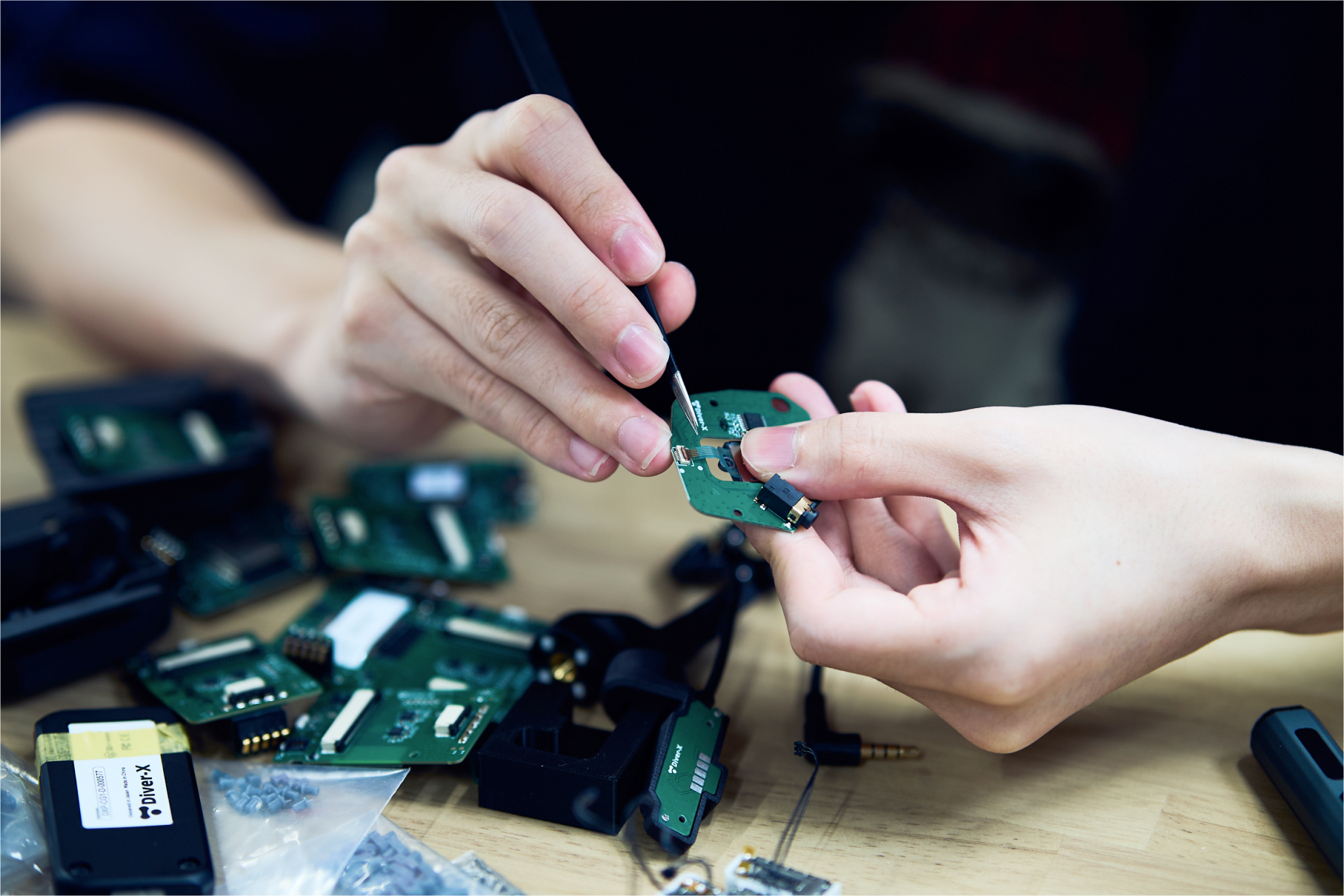
Supporting Development and Research with Cutting-Edge Technologies
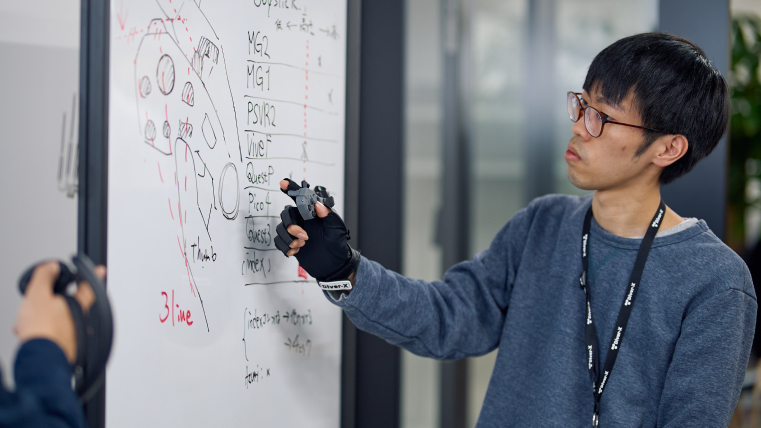
As XR devices become widespread, costly simulations that once relied on physical models and real equipment are becoming far more affordable through VR, while also improving learning outcomes. Beyond visuals, the sense of touch matters too—yet haptic and force-feedback devices remain expensive and hard to adopt. At Melt Interface Technologies, we apply the core technology research behind our own XR device development to deliver intuitive, true-to-life experiences while reducing development costs and improving efficiency.
- Haptics Technology: Advanced sensory feedback solutions.
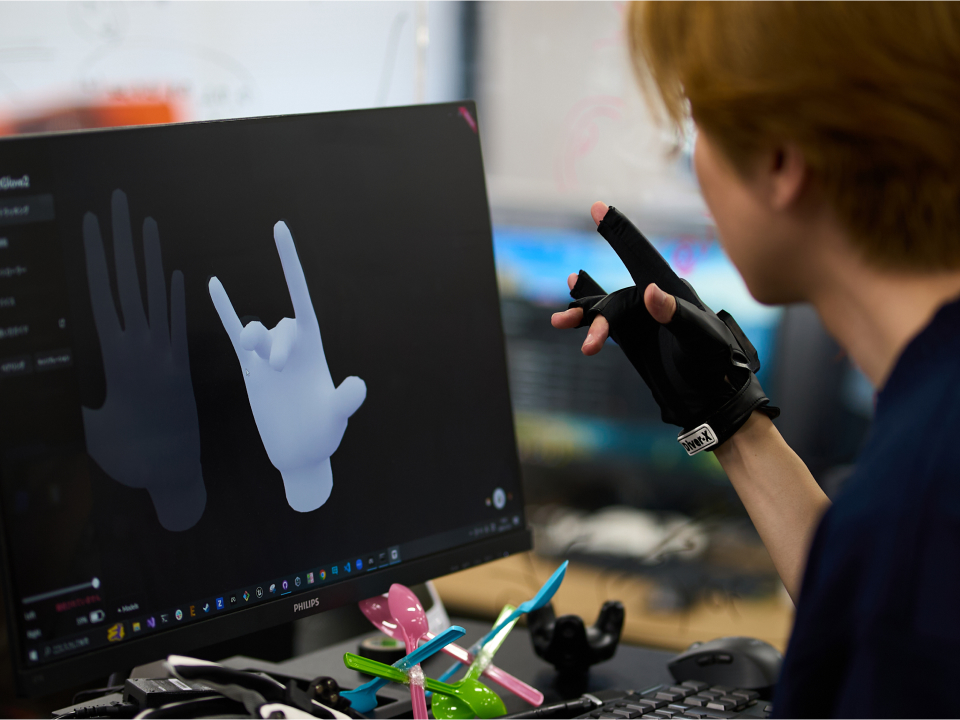
- Hand Tracking Technology: Precise and intuitive hand motion tracking.
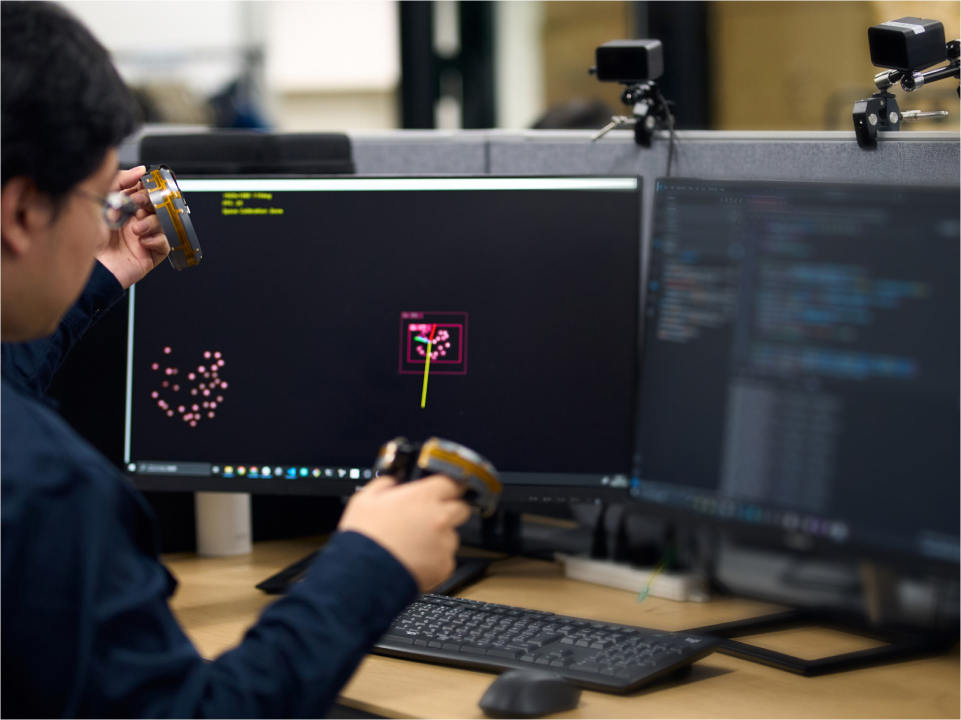
- Optical Object Tracking Technology: High-accuracy 3D tracking using proprietary algorithms.
- Research and Development in Haptics / Wearables
- Integrating object-tracking and haptics technology into products
Custom Training and Simulation Solutions
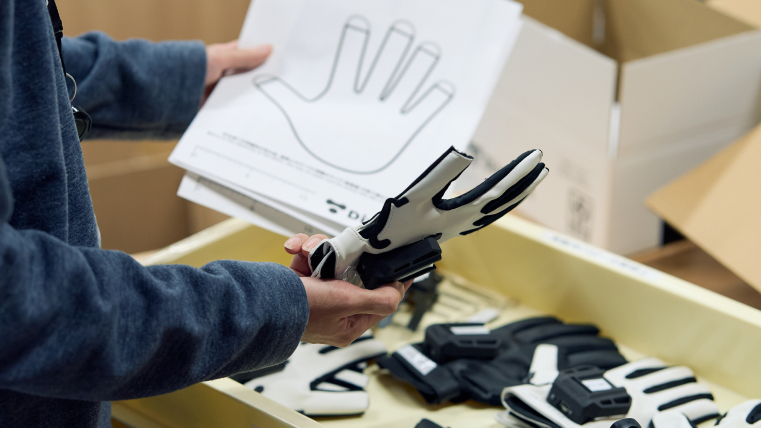
Using our core technologies, we design flexible, customized solutions tailored to your requirements. Whether in manufacturing or medical simulations, we create intuitive systems with realistic tactile feedback to enhance operational efficiency and support seamless research and development workflows.
- Streamlined training and simulation processes
- Reduced development and testing time
- Lower labor costs
Research and Development in Haptics / Wearables
We utilize Melt Interface Technologies’ core technologies, such as hand tracking and optical tracking, for advanced research and development. If you are looking to recreate tasks traditionally performed in the real world within a VR environment but are unsure of the technical feasibility, we offer solutions based on Melt Interface Technologies' extensive research and development expertise.
- Advanced research and development in VR, haptics, and sensing
- Streamlined training and simulation processes
- Reduced development and testing time
- Lower labor costs
Case Study
By leveraging core technology research, Melt Interface Technologies solutions are being implemented across various industries in diverse scenarios, such as design, simulation, and training.
- Case 01
![img]()
Applications in the Medical Field for Therapeutic Purposes
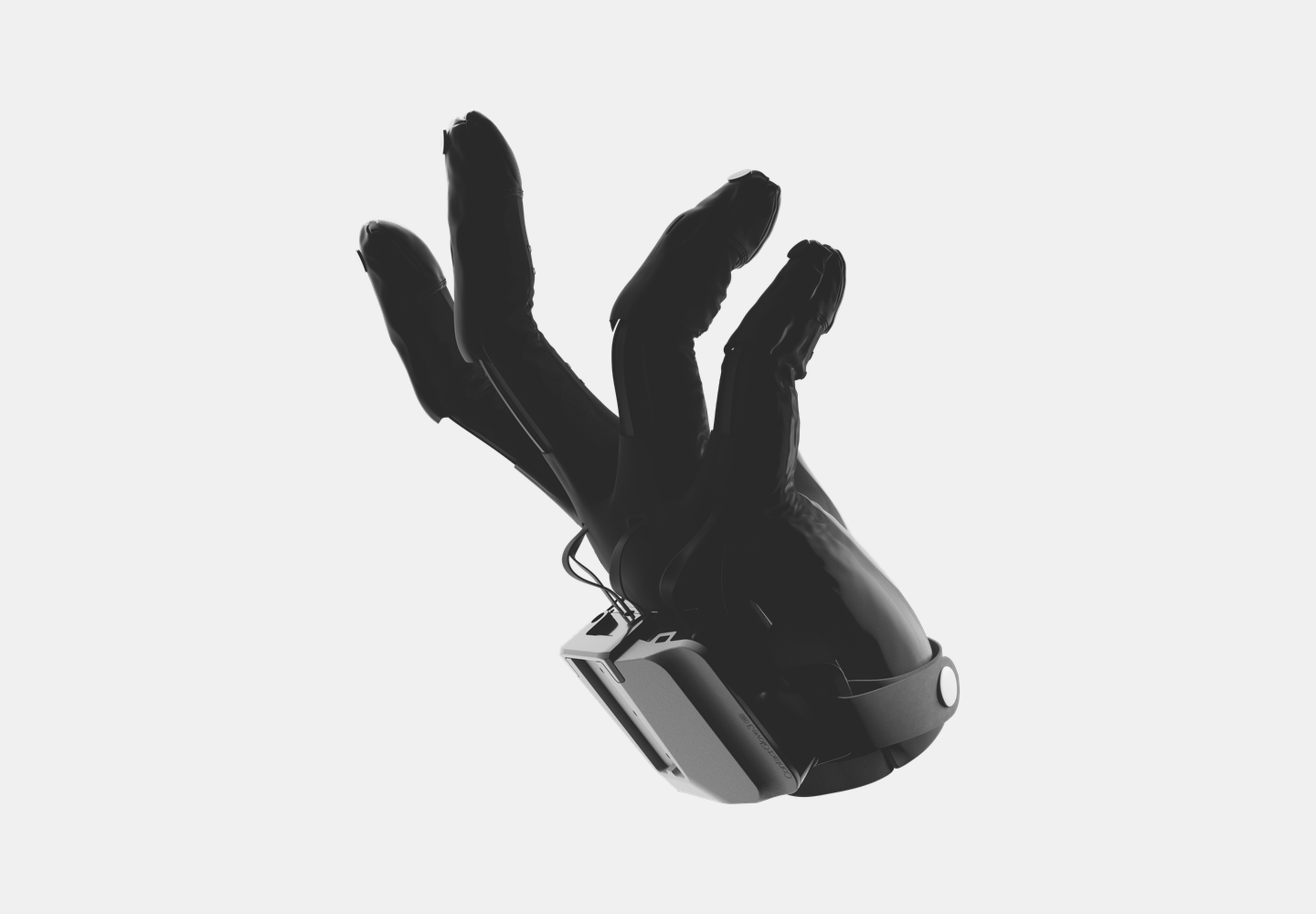
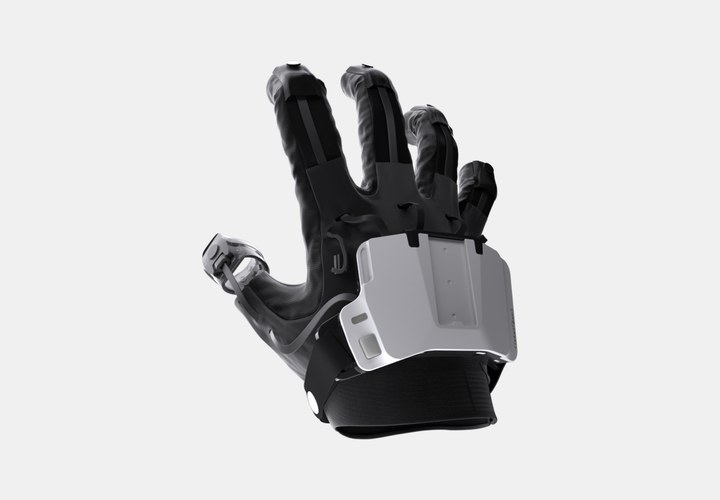
We co-developed a treatment application for children with Developmental Coordination Disorder (DCD) using our ContactGlove technology. This project aims to alleviate workforce shortages in developmental support settings.
- Case 02
![img]()
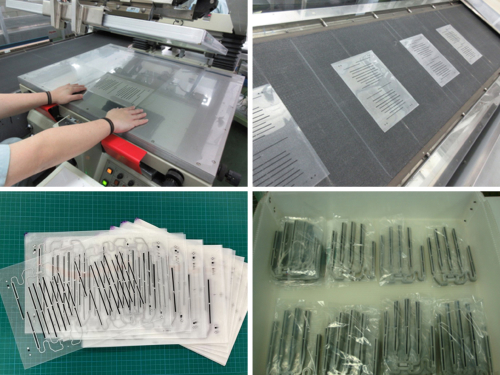
Collaborative Development of Bending Sensors
Collaboratively developing sensors for hand tracking, designed to be thin and highly durable.
- Case 03
![img]()

Technology
- Haptics TechnologyHaptics Technology
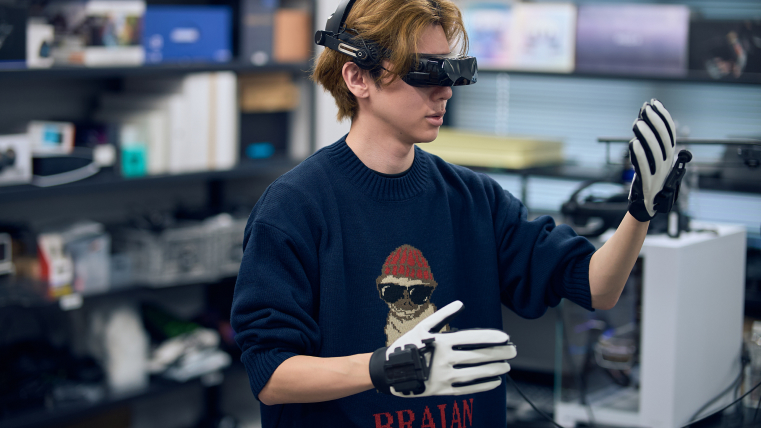
Realistic Touch Simulation with Tactile Modules
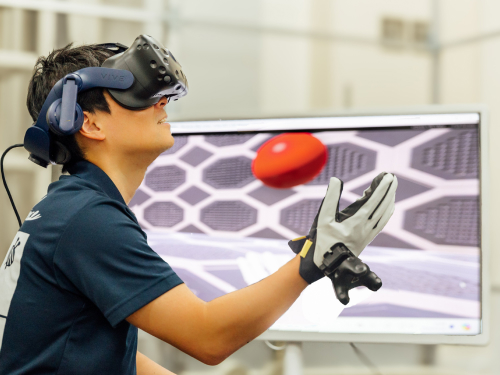
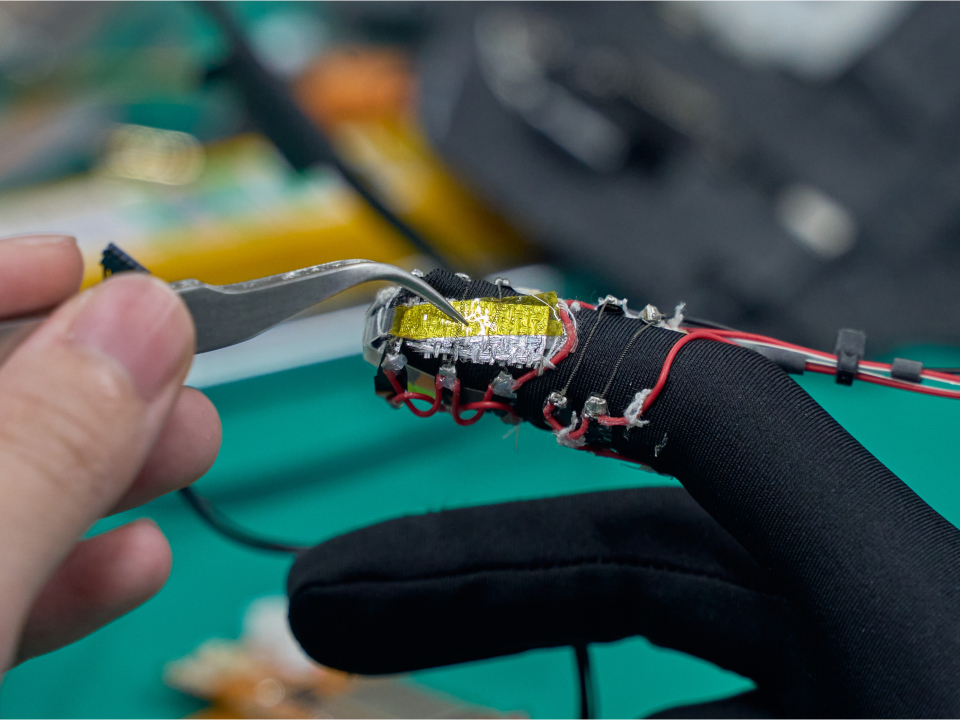
Haptics technology transmits digital information through the sense of touch. By using vibrations, pressure, and force feedback, it allows users to feel physical interactions with virtual environments and devices.
More DetailMore DetailRelated Product![img]()
- Hand Tracking TechnologyHand Tracking Technology
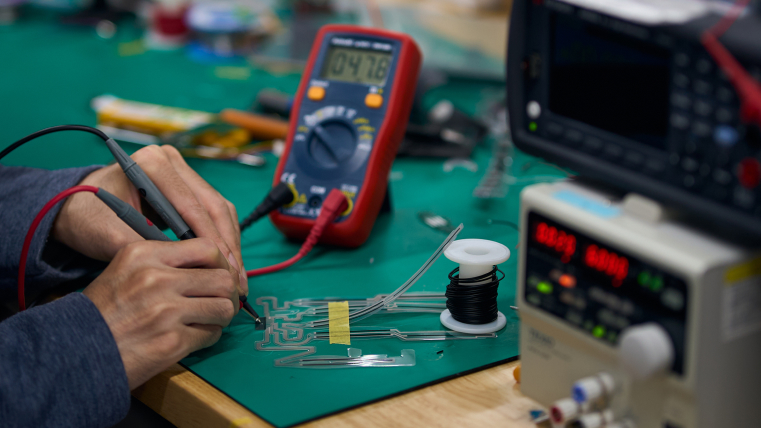
Resistive Membrane Bending Sensors
In collaboration with Sensia Technologies, we’ve developed high-precision, cost-efficient bending sensors. These sensors, which change resistance values based on their bend angle, are ideal for compact, battery-powered devices and feature lightweight, energy-efficient designs.
More DetailMore DetailRelated Product![img]()
- Optical Tracking TechnologyOptical Tracking Technology
High-Precision 3D Position Tracking with Proprietary Algorithms
Our computer vision algorithms enable affordable and high-performance 3D position tracking using multiple cameras. By combining advanced imaging with high-resolution cameras, we achieve millimeter-level precision in tracking.
More DetailMore Detail![img]()
Contact us for solutions and software development.
Through solutions and software powered by Melt Interface Technologies' core technology research, we address diverse challenges.If you are interested in or considering software and solutions developed with Melt Interface Technologies core technology research, please feel free to reach out via our contact form.
Linear Vibrators (LRA)
Linear Resonant Actuators (LRAs) create vibrations through the movement of a mass within a magnetic field. Commonly used in smartphones and wearables, LRAs deliver efficient and stable tactile feedback by operating at specific resonant frequencies with a spring-based mechanism for consistent performance.
Shape Memory Alloy (SMA)
Shape Memory Alloys contract with electrical current, generating pressure through wrapped films or similar components. This compact and efficient solution eliminates the need for external pumps, providing powerful tactile feedback with a simple and effective structure.
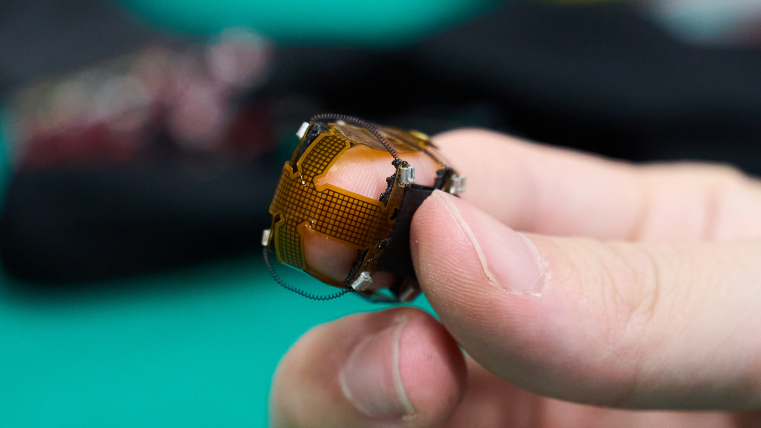
Resistive Bend Sensor
A resistive bend sensor is a device that detects changes in resistance when bent, converting these changes into electrical signals. Composed of a thin substrate coated with conductive materials, its resistance varies as the conductive paths stretch or compress during bending.
Optical Tracking Technology
Optical tracking is a high-precision technology that uses cameras to track the position and rotation of objects. This method involves identifying markers or feature points placed on the target object and following their movement within the camera’s field of view. By combining high-resolution cameras with advanced image processing algorithms, it enables tracking accuracy down to the millimeter level.